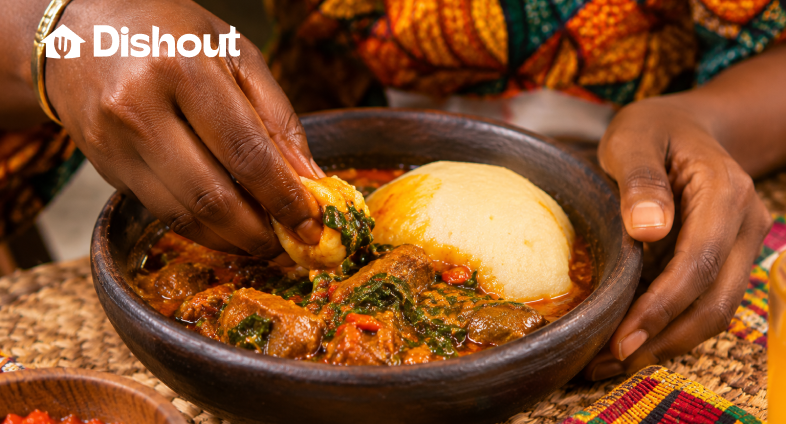
It looks a little like couscous, but this Ivorian favourite has a personality of its own.
If you've ever visited an Ivorian restaurant and spotted a plate of tiny, fluffy grains served alongside grilled fish, fresh tomatoes, onions, and pepper, chances are you've come across attiéké.
At first glance, you might mistake it for couscous. That's understandable, but anyone from Côte d'Ivoire will be quick to tell you that they're not the same thing.
Attiéké is one of those foods that doesn't need an elaborate introduction to win you over. It's light, slightly tangy, wonderfully satisfying, and goes with just about anything you put beside it. For many Ivorians, it's also a familiar part of everyday life, whether enjoyed at home, bought from a street vendor, or shared with friends.
And if you haven't tried it yet, you're missing out on one of West Africa's most versatile dishes.
Attiéké is a traditional Ivorian food made from cassava, a starchy root vegetable widely eaten across Africa.
Although it resembles couscous, which is typically made from wheat semolina, attiéké is produced by processing cassava into small granules that are fermented and then steamed. The fermentation gives it a slightly sour flavour that makes it different from ordinary rice or couscous.
The finished dish is soft, fluffy, and pleasantly light, with a texture that pairs beautifully with rich sauces, grilled meats, and fish.
Attiéké has deep roots in the food traditions of Côte d'Ivoire's coastal communities, particularly among the Ebrié people. Over time, it has become popular throughout the country and beyond, earning a place on menus across West Africa and in African restaurants abroad.
If there's one way to experience attiéké, it's with grilled fish.
Picture a generous serving of fluffy attiéké alongside a beautifully grilled fish, topped with sliced onions, tomatoes, fresh pepper, and a little oil or dressing. Add a squeeze of lemon, and you've got a meal that makes a very strong case for keeping things simple.
The fish brings the smoky flavour, the vegetables add freshness, and the attiéké balances everything with its light texture and gentle tanginess.
This combination is especially popular in Côte d'Ivoire, where grilled fish and attiéké are familiar sights at restaurants and roadside food spots.
It's the kind of meal that makes you forget you were planning to order something else.
You can't talk about attiéké without mentioning garba.
Garba is a popular Ivorian street food made with attiéké and fried tuna, usually served with chopped onions, tomatoes, fresh pepper, and oil.
Unlike the grilled fish version, garba is known for its straightforward preparation, bold flavour, and popularity as an affordable, filling meal.
It's particularly associated with casual street food culture, where customers can enjoy a satisfying plate without needing a special occasion.
If you love discovering the everyday foods that locals actually eat, garba deserves a place on your list.
One of the best things about attiéké is how easily it works with different foods. Although fish is probably its most famous companion, you don't have to stop there.
Grilled chicken: Smoky, well-seasoned chicken works beautifully with attiéké, especially when served with onions and a spicy sauce.
Beef or grilled meat: If you prefer meat to fish, attiéké makes an excellent accompaniment to grilled beef or other seasoned meats.
Fried fish: Crispy fried fish, fresh vegetables, and attiéké are another delicious combination.
Spicy tomato sauce: A rich, peppery sauce can turn a simple serving of attiéké into a satisfying meal.
Fresh vegetables: Tomatoes, cucumbers, onions, and peppers add crunch and freshness, making attiéké a great option when you want something that doesn't feel too heavy.
You can also experiment with your own combinations. Attiéké is quite accommodating, and that's part of its charm.
Part of attiéké's appeal is its versatility. It works for lunch, dinner, a quick meal from a street vendor, or a relaxed gathering with friends.
Its flavour also makes it a great match for the bold seasonings common in West African cooking. Because attiéké itself isn't heavily seasoned, it allows grilled fish, spicy sauces, and other accompaniments to stand out.
There's also the cultural significance. Attiéké is more than a convenient side dish in Côte d'Ivoire. It's an important part of the country's culinary identity, with traditional preparation methods and knowledge passed down through generations.
In December 2024, UNESCO inscribed the skills and knowledge associated with making attiéké on its Representative List of the Intangible Cultural Heritage of Humanity, recognising the importance of this food tradition.
That's quite an achievement for something that might look like ordinary couscous to someone trying it for the first time.
For Ivorians living abroad, attiéké can be one of those foods that instantly brings back memories of home. For everyone else, it's a great introduction to Ivorian cuisine.
African restaurants in cities such as New York and across the wider United States offer opportunities to discover dishes from different parts of the continent, including Côte d'Ivoire. Whether you're already familiar with attiéké or you're curious about trying it for the first time, African Dishout makes it easier to explore African restaurants and discover the dishes available in your delivery area.
If your usual order is always jollof rice, fried rice, or another familiar favourite, consider giving attiéké a chance.
Start with grilled fish if you want the classic combination, or try garba if you're curious about Ivorian street food. Either way, you'll discover why this humble cassava dish has become such an important part of Côte d'Ivoire's food culture.
And the next time someone mistakes attiéké for couscous, you'll know exactly what to tell them.
Have you tried attiéké before? Do you prefer yours with grilled fish, fried tuna, or chicken?


Because home should be just one tap away