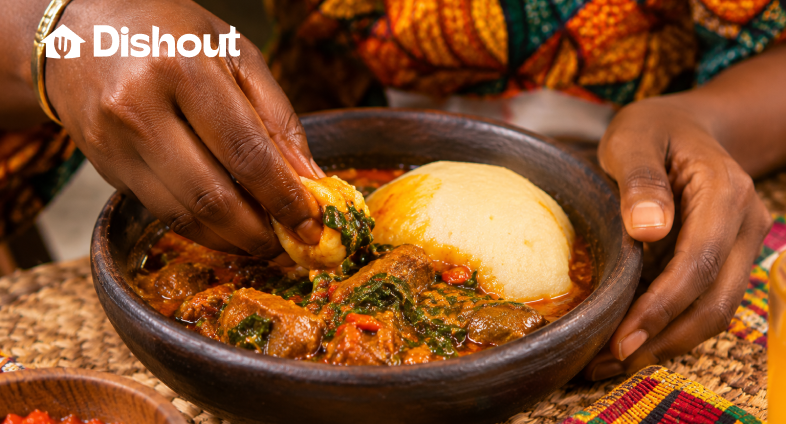
Funny how the meals we once complained about are now the ones we miss the most.
Growing up in Africa, there were certain foods we took for granted. They were the everyday meals our parents prepared, the snacks we bought on our way home from school, and the dishes we sometimes complained about because we'd eaten them too many times that week.
Back then, many of us wanted something different. Pizza, burgers, fried chicken, or whatever looked interesting on television seemed far more exciting than another plate of beans or boiled yam.
But living abroad has a funny way of changing your perspective. The same foods you once considered ordinary suddenly become the ones you crave after a long day. You find yourself searching for restaurants that prepare them properly, calling home to ask for recipes, or paying good money for something you barely appreciated growing up.
Let's start with beans, because this one deserves a public apology.
Remember coming home from school, opening the pot, and discovering beans? For some of us, the disappointment was immediate. You'd ask, "Beans again?" as though your mother had personally offended you.
Today, give us a good plate of Ghanaian red-red with fried plantain, Nigerian beans porridge, or ewa agoyin with soft bread, and you'll hardly hear a complaint.
It's funny how the same food we once tried to avoid has become something we actively search for. And if the stew is good and the plantain is perfectly fried, there's really nothing left to discuss.
Boiled yam for breakfast, fried yam in the afternoon, and yam with stew for dinner. In some households, it felt like yam was paying rent.
We didn't always appreciate it, especially when we were expecting rice and discovered boiled yam with garden egg stew instead.
These days, a plate of crispy fried yam with pepper sauce sounds like an excellent idea. Even boiled yam with a rich stew can be enough to make you forget about the sandwich you were planning to eat.
The funny part is that we now spend time looking for good-quality yam abroad, when it was once one of the most ordinary things in our kitchens.
Think about all the roadside food vendors you passed growing up. There was always someone roasting plantain, grilling meat, frying akara, or selling fresh puff-puff.
You could buy something delicious without making a big occasion out of it. It was simply part of everyday life.
Now imagine walking through the Bronx or Brooklyn and catching the familiar smell of roasted plantain or grilled meat. There's a good chance you'd stop to find out where it's coming from.
African street food reminds us of more than just the taste. It brings back memories of buying snacks after school, stopping for food with friends, and arguing over who got the biggest piece of meat.
African soups deserve more credit, especially when you consider how much work goes into preparing some of them.
Growing up, you might have been asked to wash vegetables, peel ingredients, pound fufu, or help with other preparations when all you wanted to do was watch television.
At the time, you probably didn't think much about the effort involved in making a pot of groundnut soup, egusi, okro, or your family's favourite stew.
Now, after a long week of work, a proper bowl of soup with fufu, pounded yam, banku, or another favourite accompaniment can be exactly what you're craving.
And when you find a restaurant that makes it taste just like home, you make sure to remember its name.
Bread and akara, Hausa koko and koose, pap and moi moi, or even leftover rice and stew were normal breakfast options in many African homes.
At the time, cereal, pancakes, and the breakfasts we saw in American movies sometimes looked much more exciting.
But after living abroad for a while, you begin to appreciate how satisfying those familiar breakfasts were.
There's something wonderful about freshly fried akara with bread or a warm bowl of porridge on a cold morning. The only difference is that you now understand why your parents insisted you eat before leaving the house.
If you grew up in an African household, you probably know that yesterday's stew was not going to waste. Leftover soup, rice, and stew often made another appearance the following day, and complaining about it rarely changed anything. As children, we wanted something freshly prepared every time. As adults, we're delighted to open the fridge and discover there's still some good stew left. In fact, some soups and stews taste even better the next day because the flavours have had more time to develop. Our parents may have been onto something all along.
Living away from home changes how we think about the meals we grew up eating. What once seemed ordinary becomes special because it's no longer available whenever we want it.
Food also carries a lot of memories. A particular soup might remind you of Sunday afternoons with your family, while the smell of grilled meat might take you back to your favourite roadside spot. Even the meals you complained about can remind you of people and experiences you miss.
That's why finding good African food abroad can be such a satisfying experience. You're not simply trying something delicious; you're enjoying something familiar in a place that sometimes feels very different from home.
Thankfully, you don't always have to spend hours in the kitchen or wait until your next trip home to enjoy the foods you've been craving.
With African Dishout, you can discover African restaurants near you and order familiar favourites, whether you're in the mood for a comforting bowl of soup, beans and plantain, grilled meat, or something you haven't eaten in years.
And if there's one thing adulthood has taught us, it's that our parents were right about quite a few things, including the food.


Because home should be just one tap away