You've been there. You open the delivery bag, look inside, and feel personally disrespected. The plantain sitting in front of you is unripe, stiff, and greenish in a way that tells you it has never once been near a hot pan and is not ready to start now. Or it's so overripe it's basically mush and frying it is going to be a whole situation. Either way your meal is already off to a bad start and you haven't even turned on the stove yet.
This is one of those things that sounds small until it happens to you. Plantain is not a background ingredient. When you're making dodo, kelewele, or just frying some on the side to go with your rice and stew, the plantain is the thing. Get it wrong and the whole plate is off. Get it right and people are picking at it before you even finish cooking.
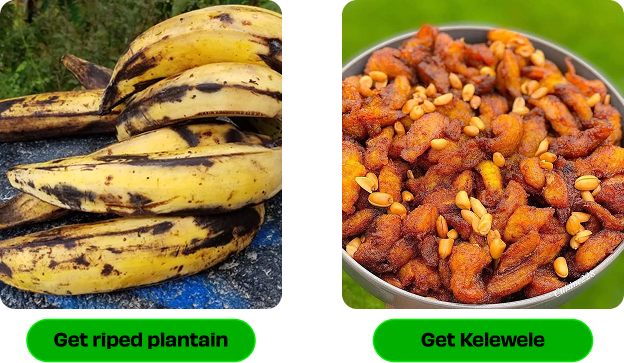
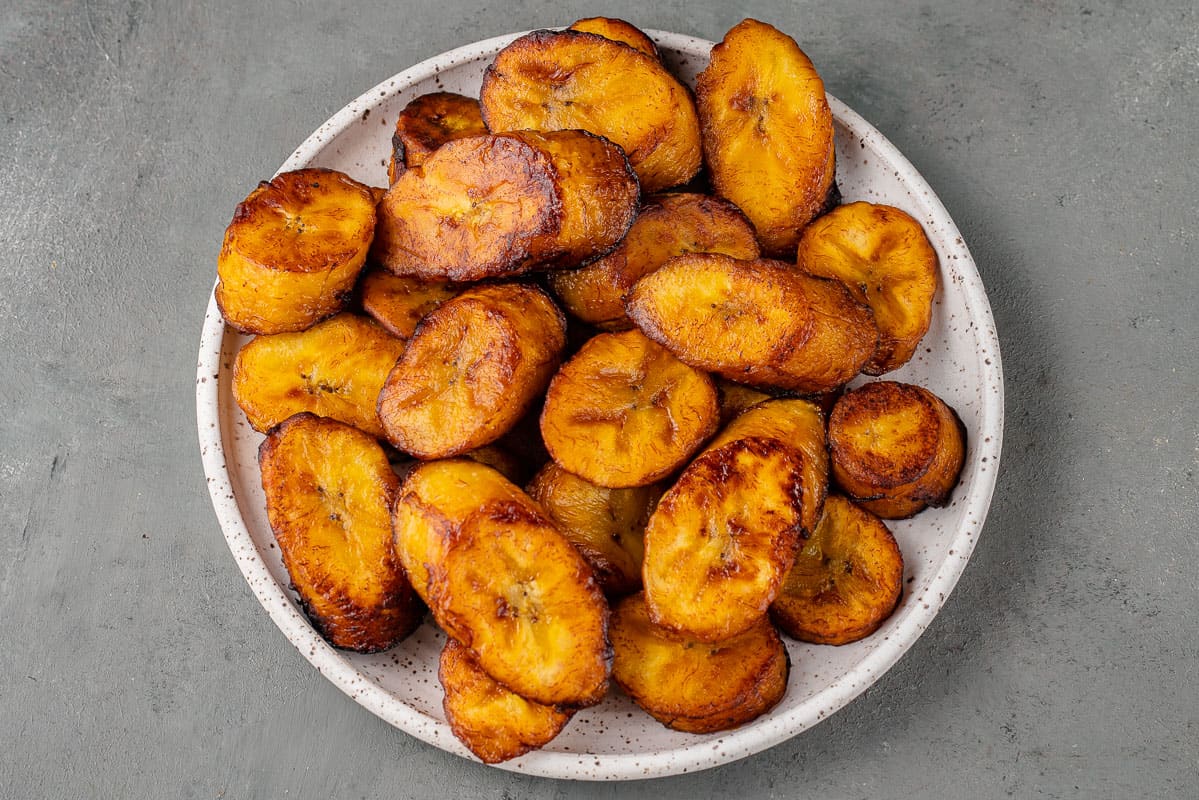
A plantain that is ready to fry should be mostly yellow with plenty of black spots on the skin. The black spots are not a problem. They are the point. That's where the sweetness is.
The skin should give slightly when you press it, not feel like you're pressing a rock. When you peel it, the flesh should be soft enough to feel but firm enough to hold its shape when you slice it. That's what you want going into hot oil. That's the plantain that makes somebody close their eyes on the first bite.
Plantain ripeness is a spectrum, and every stage on it has a use. Knowing which one you have in your hand tells you what to cook.
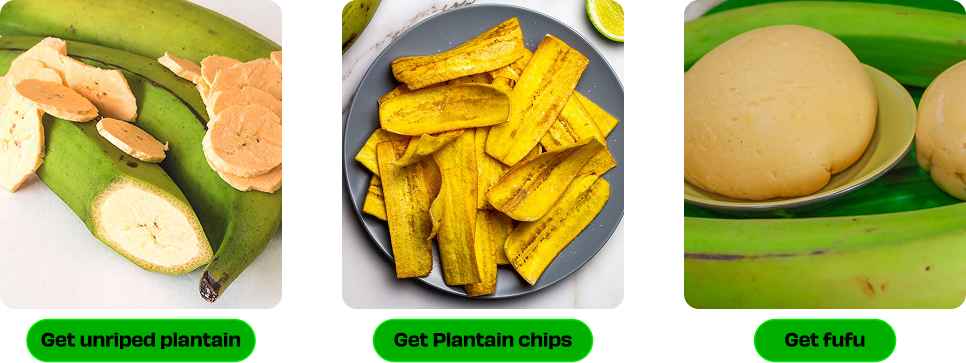
A plantain that is still green or mostly yellow with no spots is unripe. You can boil it. You can fry it into chips. You can pound it into fufu. What you cannot do is fry it for dodo or kelewele and expect sweetness, because the sweetness is not there yet. It will come out hard, starchy, and flavorless and everyone at the table will be polite about it but nobody will finish their plate.
This is the plantain you want for frying. Soft enough to slice cleanly, sweet enough to caramelize in the oil, firm enough to hold its shape on the plate. If you're making dodo, kelewele, or anything where the plantain is the star, this is what you're looking for. Cook it the same day if you can.
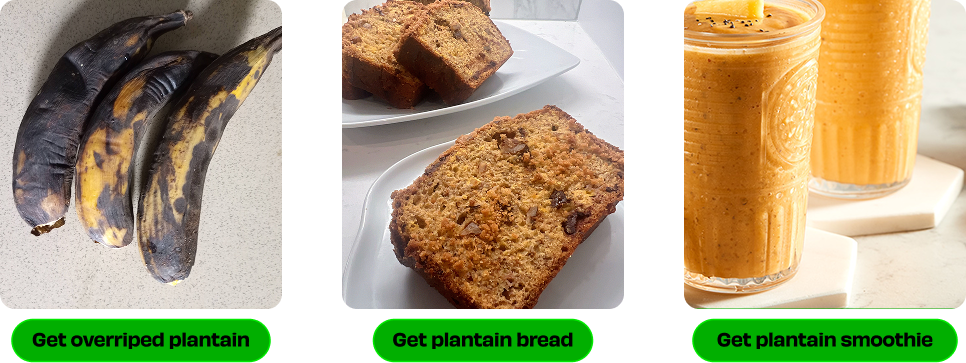
Once a plantain is mostly black and squishy through the peel, it has gone past the point of dodo. You can still use it, mashed into bofrot batter, blended into smoothies, baked into plantain bread, but it will not give you the crisp-edged kelewele you were hoping for. If you bought a bunch and a couple have gotten there, don't throw them out. Bake them.
People assume plantain works like a banana — green is unripe, yellow is ripe, done. It's more particular than that. Two plantains can look identical in color and feel completely different in the hand. The firmness test matters as much as the color test, because internal ripeness doesn't always show on the skin.
Press the plantain gently. A perfect dodo plantain should feel like a ripe avocado — yielding but not soft. If your finger leaves an impression, it's overripe. If it doesn't move at all, give it another day or two on the counter. Plantains will continue to ripen at room temperature, so if you're not cooking the same day, buy them a step earlier than you need.
If you want to study what a perfect plantain tastes like before you cook it yourself, two of our partners in the Bronx have it figured out. Osu-Re Grill on East Gun Hill Road serves kelewele with the right char and the right spice — sweet, smoky, a little hot, with peanuts on the side. Adab Foods in Williamsbridge plates their fried plantain alongside waakye and grilled tilapia, and it shows up at the right ripeness every time. Both are on the Dishout app and both are worth ordering from before your next attempt at home.
Other apps don't know any of this. They see "plantain" as a checkbox on a list. They don't know that color, firmness, and ripeness all matter and that sending the wrong one is not a small thing. It's the kind of thing that makes you not order from them again.
Dishout was built by people who grew up eating this food. The partner stores we source from are run by people who know exactly what a frying plantain is supposed to look like, because they've been picking them for their own families their whole lives. When you order plantain through us, you're getting the same plantain the auntie at the market would have picked for you. Right ripeness. Right firmness. Every time.
Ripe, ready-to-fry plantain delivered same-day. Plus every other ingredient you actually cook with — palm oil, scotch bonnet, smoked fish, jollof rice, garri, and more — sourced from African and Caribbean markets in your city.
Shop on the Dishout App · Download for iOS · Download for Android
Same-day delivery in:
How long does it take a plantain to ripen?A green plantain typically takes 5–10 days to reach perfect frying ripeness at room temperature. To speed it up, store it in a paper bag with an apple or banana. To slow it down, refrigerate, but only once it's already ripe.
Can I order ripe plantain on Dishout?Yes. Dishout delivers fresh, properly ripened plantain same-day across our 10 cities, sourced from African and Caribbean markets and from our own fulfillment partners.
Can I order plantain dishes on Dishout?
Yes. Get kelewele, dodo, and fried plantain or Aloco, from African kitchens near you on African Dishout.
Where can I buy plantain to cook at home?
Order green or ripe plantain and other local African ingredients on African Dishout, delivered from African grocers near you.
Which plantain do I use for kelewele or dodo?
Ripe, yellow turning black, for that sweet fried finish. Green plantain is for the firmer, savoury dishes.

Because home should be just one tap away